
Advanced Cataract Care in Gurgaon
Clearer Vision Starts With the Right Cataract Care
Personalised cataract evaluation and modern surgical care by Dr. Pallavee R. Goswami, MBBS, MS – Ophthalmology, with a focus on accurate diagnosis, appropriate lens selection and comfortable recovery.
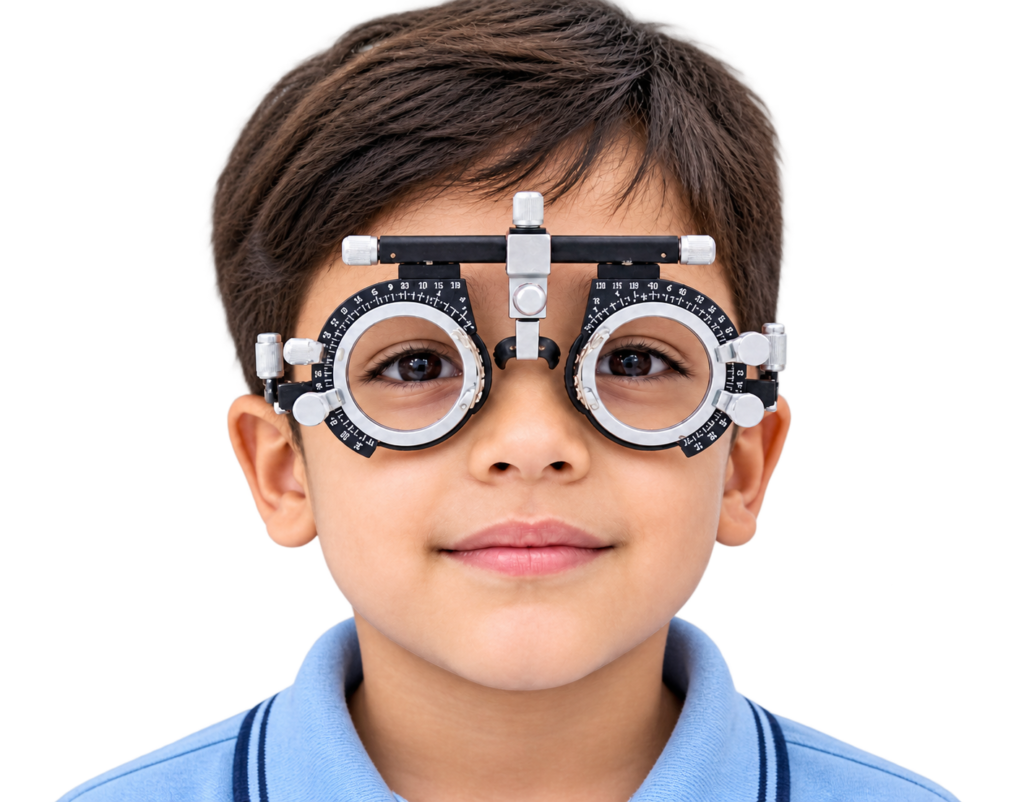
Cataract & Phaco Care
Modern surgical approach
MBBS, MS Ophthalmology
Experienced eye specialist
Detailed Eye Evaluation
Diagnosis before treatment
Gurgaon Practice
Sohna Road & Sector 41
Eye Treatments
Concerned About Blurry Vision?
Schedule a detailed eye evaluation to understand whether cataract is affecting your vision and what treatment may be suitable.
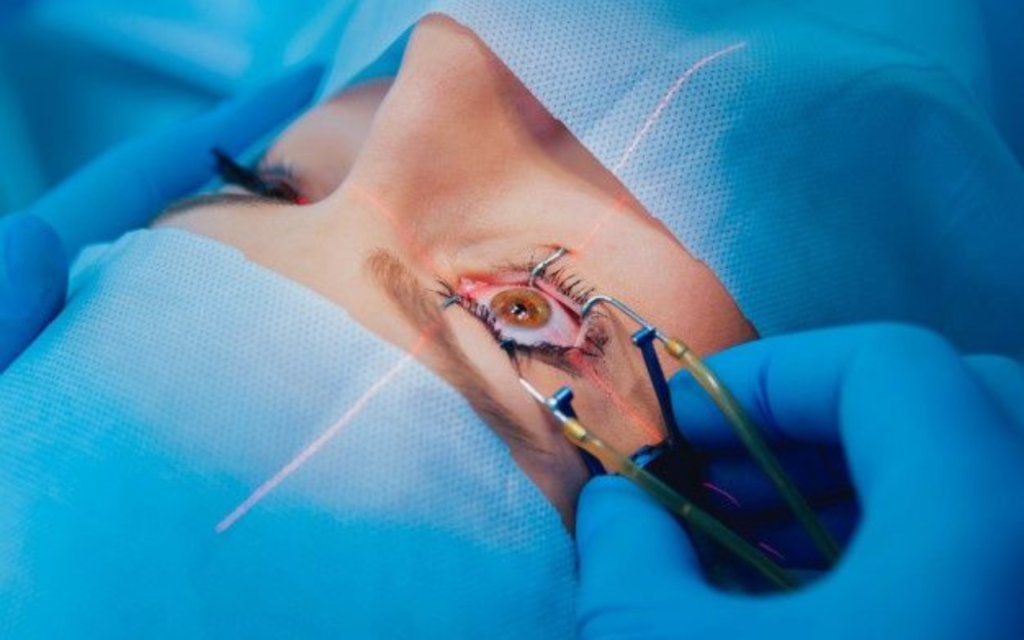
Advanced Cataract Care in Gurgaon
Cataract Surgery in Gurgaon
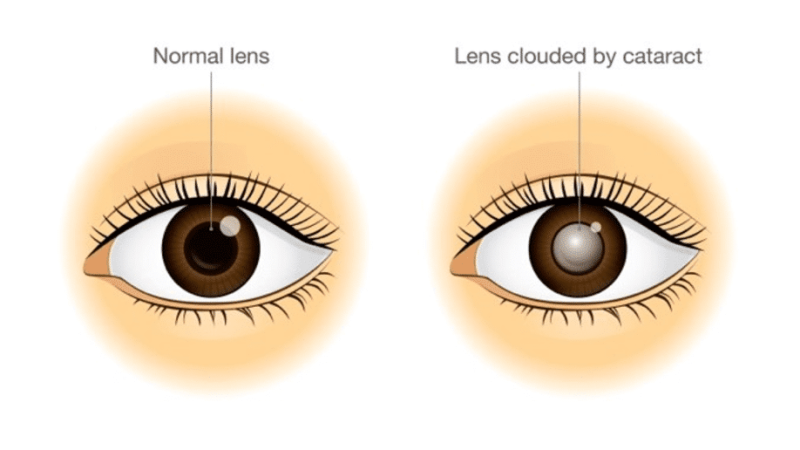
A cataract develops when the eye’s natural lens gradually becomes cloudy, leading to blurred, hazy or dim vision. Cataract surgery removes the cloudy lens and replaces it with a clear artificial intraocular lens (IOL).
Not every cataract needs immediate surgery. The decision is generally based on how much the cataract affects everyday activities such as reading, driving, working, recognising faces or seeing clearly in low light. A comprehensive eye examination helps determine the severity of the cataract and the most suitable treatment plan.
Important: Cataract treatment should be personalised. Lens choice, timing of surgery and surgical technique depend on eye measurements, lifestyle needs, existing eye conditions and the surgeon’s clinical assessment.
Common Symptoms of Cataract
Cloudy or Blurred Vision
Vision may gradually appear hazy, dim or less sharp even with spectacles.
Poor Night Vision
Driving or seeing in low light may become increasingly difficult.
Glare & Halos
Bright lights and headlights may cause glare, starbursts or halos.
Faded Colours
Colours may appear less vivid, washed out or slightly yellowed.
Why Do Cataracts Develop?
Age-related changes are the most common cause, but cataracts can also be associated with other factors. Your eye examination is important because similar visual symptoms may also occur with retina, cornea or glaucoma-related conditions.
- Age-related lens changes
- Previous eye injury or inflammation
- High UV exposure over time
- Previous eye surgery
- Diabetes or metabolic conditions
- Long-term steroid use
- Family or genetic factors
- Smoking and lifestyle factors
How Cataract Surgery Works
Modern cataract surgery is typically performed through a small incision. The cloudy natural lens is removed and an artificial IOL is implanted in its place. The exact technique is chosen after examining the eye and assessing cataract density and other ocular conditions.
01
Detailed Eye Assessment
Vision, eye pressure, cornea, retina and cataract are evaluated. Measurements are taken for IOL planning.
02
Lens Planning
The IOL is selected according to eye measurements, visual goals, astigmatism and clinical suitability.
03
Cataract Removal
The cloudy lens is carefully removed using the planned surgical technique, commonly phacoemulsification.
04
IOL Implantation
A clear artificial lens is placed inside the eye, followed by postoperative medication and scheduled reviews.
Cataract Lens (IOL) Options
No single lens is ideal for every patient. The most suitable option depends on the health of the eye, prescription, astigmatism, lifestyle and desired range of vision.
| IOL Type | Primary Purpose | May Suit |
|---|---|---|
| Monofocal IOL | Clear vision at one selected distance | Patients comfortable using glasses for some tasks |
| Toric IOL | Corrects cataract with corneal astigmatism | Eligible patients with significant astigmatism |
| Multifocal / Trifocal IOL | Designed to provide a wider range of vision | Selected patients seeking reduced spectacle dependence |
| Enhanced / EDOF IOL | Extends useful range of focus | Selected patients based on visual needs and eye health |
Who May Need Cataract Surgery?
- Vision affects reading or work
- Glare interferes with daily activities
- Cataract is progressing on examination
- Night driving has become difficult
- Frequent spectacle changes no longer help
- Doctor recommends removal for eye healthrs
Recovery & Aftercare
No single lens is ideal for every patient. The most suitable option depends on the health of the eye, prescription, astigmatism, lifestyle and desired range of vision.
- Use prescribed eye drops correctly
- Wear eye protection as advised
- Limit heavy lifting for the advised period
- Avoid rubbing or pressing the operated eye
- Avoid dust, dirty water and eye makeup initially
- Attend scheduled follow-up visits

Dr. Pallavee R. Goswami
MBBS, MS – Ophthalmology
Dr. Pallavee R. Goswami is an ophthalmologist and eye surgeon practicing in Gurgaon. Her public professional profiles list experience in cataract and phacoemulsification surgery, glaucoma care and cornea/anterior segment training.
Recovery & Aftercare
Cataract surgery is commonly performed, but like every surgical procedure it has potential risks. These can include infection, inflammation, swelling, changes in eye pressure, posterior capsule opacification, retinal problems or IOL-related complications. Your individual risk depends on your eye health and medical history, so informed discussion before surgery is essential.
Frequently Asked Questions
Cataract Surgery FAQs
A cataract is clouding of the eye’s natural lens. It can gradually reduce clarity, contrast and colour perception and may cause glare or difficulty seeing at night.
Early cataract symptoms may sometimes be managed temporarily with updated spectacles or better lighting. Once the cataract significantly affects vision, surgery is the definitive treatment used to remove the cloudy lens.
Surgery is usually considered when cataract-related vision loss starts interfering with routine activities, safety, work or quality of life, or when your ophthalmologist finds another clinical reason to remove it.
Cataract procedures are generally performed with anaesthesia to keep the eye comfortable. Individual experiences vary, and your surgeon will explain the anaesthesia and comfort plan before surgery.
Vision often improves relatively quickly, but complete healing takes longer. The exact recovery period depends on the patient, the eye and the surgery. Follow postoperative instructions closely.
There is no universally “best” IOL. Monofocal, toric, multifocal, trifocal and extended-range lenses serve different goals. Selection should be based on your eye measurements, lifestyle, visual expectations and clinical suitability.
The removed natural lens does not grow back. Some patients later develop clouding of the capsule behind the IOL, known as posterior capsule opacification, which can often be treated with a laser procedure when clinically appropriate.
The timing between surgeries depends on the surgeon’s protocol, eye health, overall medical condition and individual clinical circumstances. Your ophthalmologist will advise an appropriate plan.