
Diabetic Eye Screening in Gurgaon
Protect Your Vision With Regular Diabetic Eye Screening
Comprehensive retinal examination for early detection of diabetic retinopathy, macular swelling and other diabetes-related eye changes.

Retinal Examination
Detailed diabetes-related eye assessment
MBBS, MS Ophthalmology
Experienced eye specialist
Detailed Eye Evaluation
Diagnosis before treatment
Gurgaon Practice
Sohna Road & Sector 41
Eye Treatments
Have Diabetes?
Diabetic eye disease can develop without early symptoms. Regular retinal examination can help detect changes before vision is affected.
Who Should Get Diabetic Eye Screening?
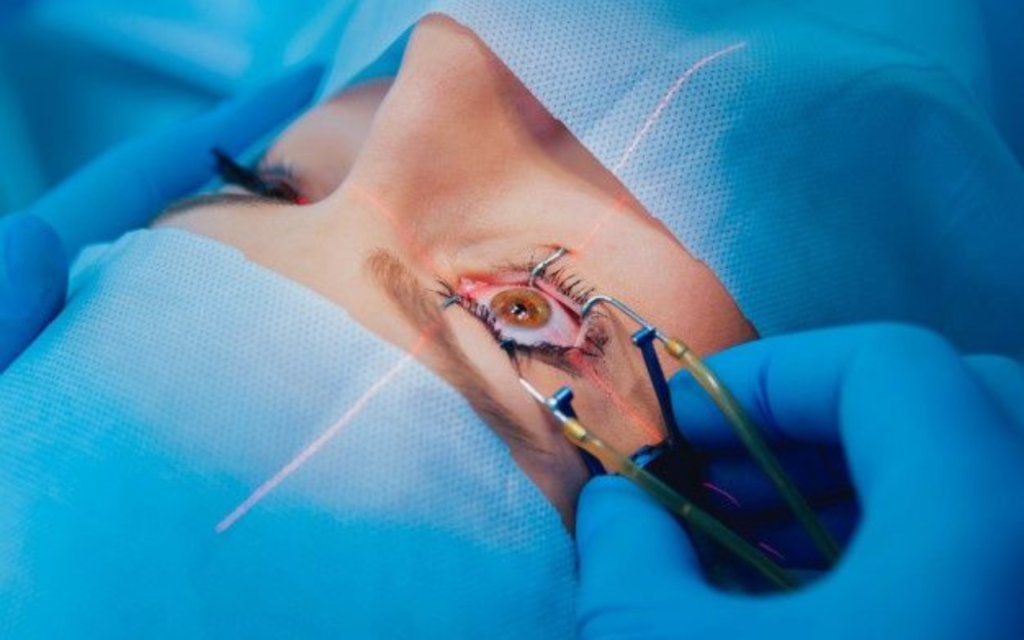
Diabetic Eye Screening in Gurgaon
Diabetes can damage the small blood vessels of the retina and may lead to diabetic retinopathy, macular swelling and other vision-related complications.
In the early stages, these changes may not cause noticeable symptoms. Regular diabetic eye screening helps detect retinal abnormalities early and allows timely monitoring, treatment planning or referral when needed.
Important: Normal vision does not always mean the retina is healthy. Diabetic retinal changes can be present before noticeable symptoms develop.
Why Diabetic Eye Screening Is Important
Regular screening helps identify diabetes-related retinal changes before they progress to more serious stages.
- Detect early diabetic retinopathy
- Identify macular swelling
- Assess overall retinal health
- Check for retinal bleeding or leakage
- Monitor changes over time
- Plan further treatment when required
Who Should Get Diabetic Eye Screening?
Screening is important for people with diabetes, especially when additional risk factors are present.
- Type 1 diabetes
- Long-standing diabetes
- High blood pressure
- Pregnancy with diabetes
- Type 2 diabetes
- Monitor changes over time
- High cholesterol
- Previous diabetic retinal changes
What Happens During a Diabetic Eye Check?
The examination may include several tests depending on diabetes history, symptoms and retinal findings.
Vision Testing
Distance and near vision are checked to identify changes in visual clarity.
Retinal Examination
Eye drops may be used to widen the pupils so the retina can be examined in greater detail.
Retina & Macula
The doctor checks for bleeding, swelling, abnormal vessels and other diabetes-related changes.
OCT Scan
OCT may be advised to detect retinal or macular swelling and monitor structural changes.

What Is Diabetic Retinopathy?
Diabetic retinopathy occurs when prolonged high blood sugar damages the small blood vessels of the retina. These vessels may leak, bleed or become blocked, and advanced disease may lead to abnormal new vessel growth.
Common Signs of Diabetic Eye Disease
Many patients have no symptoms in the early stages. Symptoms may appear as the condition progresses.
- Blurred vision
- Dark spots or floaters
- Reduced night vision
- Distorted central vision
- Fluctuating vision
- Difficulty reading
- Faded colours
- Sudden vision loss in severe cases
Treatment & Follow-Up Options
Treatment depends on the stage of diabetic retinal disease and whether vision-threatening changes are present.
01
Regular Monitoring
Mild changes may only require periodic retinal examinations and better diabetes control.
02
Intravitreal Injections
Selected patients with macular swelling or advanced retinal disease may need injections.
03
Laser Treatment
Laser may be considered in selected cases to treat abnormal retinal vessels or reduce complications.
04
Specialist Referral
Advanced or complex retinal disease may require specialist retinal evaluation and treatment planning.
Importance of Diabetes Control
Good control of blood sugar and other health conditions plays an important role in protecting retinal health.
- Maintain healthy blood sugar levels
- Manage cholesterol
- Take prescribed medicines regularly
- Control blood pressure
- Avoid smoking
- Attend regular medical and eye checkups

Dr. Pallavee R. Goswami
MBBS, MS – Ophthalmology
Dr. Pallavee R. Goswami is an ophthalmologist and eye surgeon practicing in Gurgaon. Her public professional profiles list experience in cataract and phacoemulsification surgery, glaucoma care and cornea/anterior segment training.
How Often Should Diabetic Patients Get an Eye Check?
The recommended screening interval depends on the type and duration of diabetes, pregnancy status and whether retinal changes are already present. Your ophthalmologist will recommend an appropriate follow-up schedule.
When to Seek Urgent Eye Care
Urgent evaluation is important if you notice sudden or significant visual changes.
- Sudden loss of vision
- Flashes of light
- Sudden severe blurring
- Sudden increase in floaters
- Dark curtain or shadow in vision
- Significant central visual distortion
Frequently Asked Questions
Diabetic Eye Screening FAQs
Yes. Diabetes can damage retinal blood vessels and may lead to diabetic retinopathy, macular swelling and vision loss.
Yes. Early diabetic retinopathy often develops without noticeable symptoms.
It is usually detected through a dilated retinal examination and, when needed, imaging such as OCT or fundus photography.
Regular eye examinations are recommended because retinal changes can develop even when vision feels normal.
Vision often improves relatively quickly, but complete healing takes longer. The exact recovery period depends on the patient, the eye and the surgery. Follow postoperative instructions closely.
Advanced or untreated disease can cause serious vision loss. Early detection and treatment can reduce the risk of progression.
It is swelling of the macula caused by fluid leaking from damaged retinal blood vessels.
Good blood sugar, blood pressure and cholesterol control can help reduce the risk and progression of diabetic eye disease.
The examination is generally not painful, although dilating drops may temporarily blur near vision and increase light sensitivity.
The interval depends on diabetes history and retinal findings. Your ophthalmologist will advise the appropriate schedule.