
Specialised Cornea Care in Gurgaon
Advanced Cornea Treatment for Clearer, Healthier Vision
Evaluation and personalised treatment for corneal infections, keratoconus, scars, ulcers, dystrophies, thinning and other corneal conditions by Dr. Pallavee R. Goswami.

Cornea & Anterior Segment
Focused clinical evaluation
MBBS, MS Ophthalmology
Specialised corneal care
Detailed Eye Assessment
Diagnosis-led treatment
Gurgaon Practice
Sohna Road & Sector 41
Eye Treatments
Redness, Pain or Blurry Vision?
Corneal problems can worsen quickly in some cases. Schedule an eye examination for proper diagnosis and treatment planning.
Cornea Treatment
Cornea Treatment in Gurgaon
The cornea is the clear front surface of the eye. It helps focus light and protects the inner structures of the eye. Infection, injury, thinning, scarring or inherited corneal disorders can affect its transparency and shape, leading to discomfort or reduced vision.
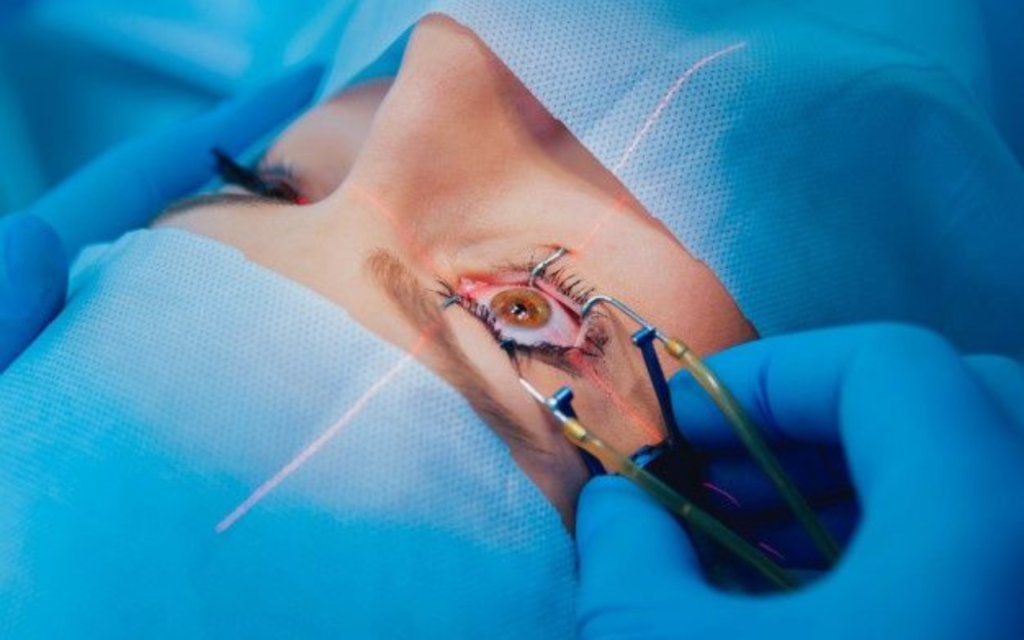
Corneal treatment depends on the exact condition and its severity. Some problems may respond to medication or protective care, while others may need procedures such as corneal cross-linking, laser treatment or corneal transplantation.
Important: Severe eye pain, sudden blurred vision, light sensitivity, a white spot on the cornea, or redness after contact-lens use can require prompt ophthalmic assessment.
Common Symptoms of Corneal Problems
Blurred or Cloudy Vision
Reduced corneal clarity or irregular shape can affect vision quality.
Light Sensitivity
Corneal inflammation or infection may cause discomfort in bright light.
Redness & Irritation
Persistent redness may occur with infection, dryness or inflammation.
Watering or Pain
Excessive tearing or pain may indicate corneal involvement.
Common Corneal Conditions
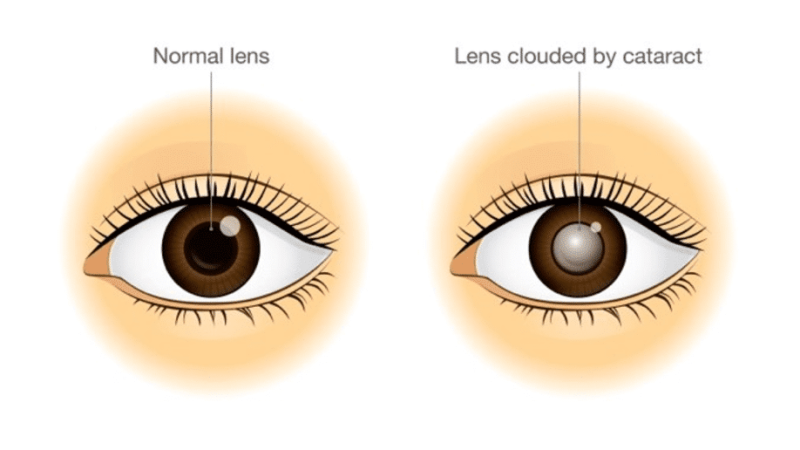
Age-related changes are the most common cause, but cataracts can also be associated with other factors. Your eye examination is important because similar visual symptoms may also occur with retina, cornea or glaucoma-related conditions.
- Keratoconus
- Bacterial keratitis
- Fungal keratitis
- Corneal dystrophies
- Dry eye-related corneal damage
- Corneal ulcer
- Viral keratitis
- Corneal scars or opacity
- Corneal swelling or oedema
- Contact-lens related problems
Cornea Treatment Options
Modern cataract surgery is typically performed through a small incision. The cloudy natural lens is removed and an artificial IOL is implanted in its place. The exact technique is chosen after examining the eye and assessing cataract density and other ocular conditions.
01
Medications & Eye Drops
Antibiotic, antiviral, antifungal, anti-inflammatory or lubricating treatment may be advised depending on the cause.
02
Corneal Cross-Linking
Used in suitable patients with progressive keratoconus to strengthen corneal tissue.
03
Specialty Contact Lenses
Rigid gas permeable or scleral lenses may improve vision in selected patients.
04
PTK / Laser Treatment
Selected superficial scars or corneal surface abnormalities may be treated with laser-based procedures.
05
Corneal Transplant
Advanced disease or significant opacity may require partial- or full-thickness transplantation.
06
Anterior Segment Care
Associated surface and anterior-segment problems are managed according to clinical findings.
Who May Need Corneal Surgery?
- Severe corneal scarring or opacity
- Corneal thinning affecting vision
- Persistent corneal swelling
- Progressive keratoconus
- Vision not corrected adequately with glasses
- Non-healing corneal ulcer
Corneal Transplant Procedures
01
Penetrating Keratoplasty
A full-thickness corneal transplant for selected advanced corneal disease.
02
Lamellar Keratoplasty
Only the affected corneal layers are replaced where appropriate.
03
DSEK / DSAEK
Endothelial keratoplasty used in selected conditions affecting the inner corneal layer.
04
DMEK
A thin-layer endothelial transplant considered in selected patients with endothelial dysfunction.
Recovery & Follow-Up
No single lens is ideal for every patient. The most suitable option depends on the health of the eye, prescription, astigmatism, lifestyle and desired range of vision.
- Use prescribed drops exactly as advised
- Maintain contact lens hygiene
- Attend scheduled follow-ups
- Avoid rubbing the eye
- Protect the eye from dust or injury
- Report sudden redness, pain or reduced vision

Dr. Pallavee R. Goswami
MBBS, MS – Ophthalmology
Dr. Pallavee R. Goswami is an ophthalmologist and eye surgeon practicing in Gurgaon. Her public professional profiles list experience in cataract and phacoemulsification surgery, glaucoma care and cornea/anterior segment training.
Possible Risks of Corneal Surgery
Depending on the procedure, potential risks can include infection, inflammation, corneal haze or scarring, astigmatism, graft rejection, graft failure, changes in eye pressure or temporary fluctuations in vision. Your individual risks should be discussed with your ophthalmologist before treatment.
Frequently Asked Questions
Cataract Surgery FAQs
The cornea is the transparent front layer of the eye. It protects the eye and helps focus incoming light onto the retina.
Yes. Some corneal infections can cause ulcers, scars or permanent visual loss if not treated promptly.
Keratoconus is a condition in which the cornea becomes thinner and gradually changes into a cone-like shape, causing irregular vision and astigmatism.
Corneal cross-linking is a procedure used in suitable patients with progressive keratoconus to strengthen the corneal tissue and help reduce further progression.
A transplant may be considered when corneal scarring, swelling, dystrophy or another advanced condition causes significant vision loss that cannot be managed adequately with other treatments.
Poor hygiene, sleeping in lenses when not advised, overuse or contaminated water exposure can increase the risk of corneal infection and injury.