
Retina Treatment in Gurgaon
Advanced Retina Care for Better Vision Protection
Evaluation and treatment for diabetic retinopathy, retinal detachment, macular degeneration, retinal vascular disorders and other retinal conditions.

Retinal Evaluation
Detailed fundus examination
MBBS, MS Ophthalmology
Experienced eye specialist
Detailed Eye Evaluation
Diagnosis before treatment
Gurgaon Practice
Sohna Road & Sector 41
Eye Treatments
Flashes, Floaters or Sudden Vision Loss?
Sudden flashes, new floaters, a curtain-like shadow or sudden vision loss may require urgent retinal evaluation.
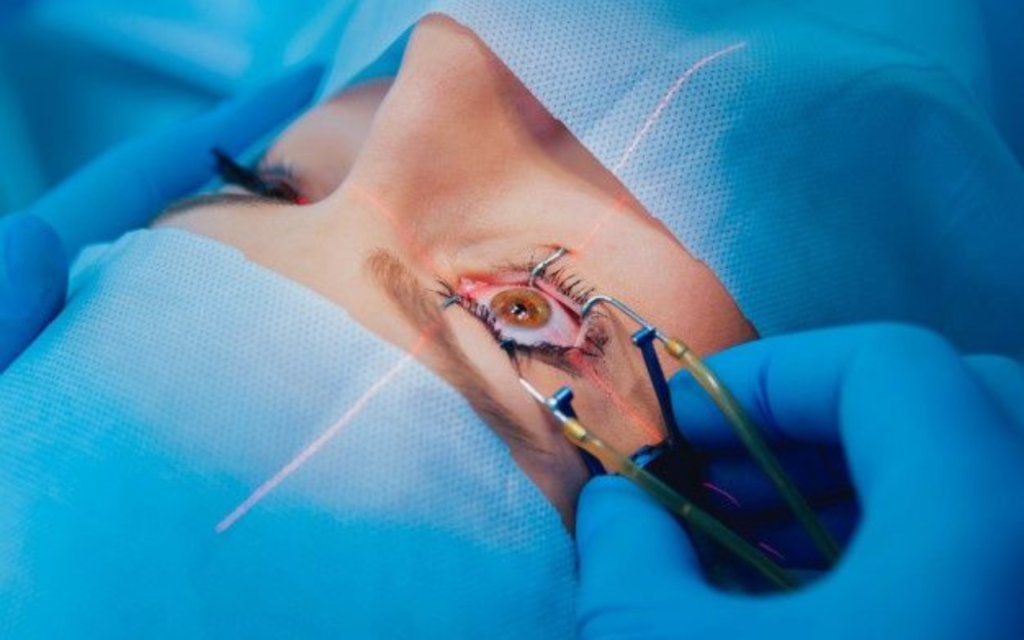
Retina Treatment in Gurgaon
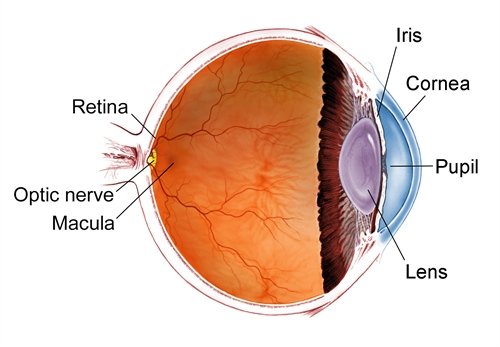
The retina is the light-sensitive layer at the back of the eye that converts light into signals sent to the brain. Retinal diseases can affect central vision, side vision or both.
Some retinal conditions progress slowly, while others can cause sudden and serious vision loss. Early diagnosis and timely treatment can help protect remaining vision and reduce the risk of complications.
Important: Sudden flashes, a sudden increase in floaters, a dark curtain or shadow in vision, or sudden loss of vision should be assessed urgently.
Common Retina Conditions
Diabetic Retinopathy
Diabetes can damage retinal blood vessels, causing leakage, swelling, bleeding or abnormal vessel growth.
Retinal Detachment
The retina separates from the tissue underneath it and requires prompt treatment to reduce the risk of permanent vision loss.
Macular Edema
Fluid accumulation in the macula can cause blurred or distorted central vision.
Retinal Tears
A tear in the retina can sometimes progress to retinal detachment if not treated appropriately.
Symptoms That May Need Retina Evaluation
- Sudden increase in floaters
- Blurred central vision
- Dark spots in vision
- Sudden vision loss
- Flashes of light
- Distorted or wavy vision
- Curtain-like shadow
- Difficulty reading or recognising faces
How Retinal Conditions Are Diagnosed
01
Dilated Fundus Examination
The retina is examined after pupil dilation to look for tears, bleeding, swelling or other abnormalities.
02
OCT Scan
Optical coherence tomography provides detailed cross-sectional images of the retina and macula.
03
Fundus Photography
Retinal photographs help document and monitor changes over time.
04
Fluorescein Angiography
In selected cases, angiography may be used to assess retinal blood vessels and leakage.
Retina Treatment Options
01
Intravitreal Injections
Anti-VEGF or other medicines may be injected for selected retinal conditions involving swelling or abnormal blood vessels.
02
Laser Treatment
Laser may be used in selected cases of diabetic retinopathy, retinal tears or retinal vascular conditions.
03
Vitrectomy
Vitrectomy may be used for selected retinal detachments, vitreous bleeding and other complex retinal conditions.
04
Detachment Surgery
Treatment may include vitrectomy, scleral buckle or other surgical techniques depending on the condition.
Recovery & Follow-Up
Recovery varies according to the retinal condition and treatment performed. Follow-up visits are important to monitor healing and retinal stability.
- Use prescribed eye drops
- Attend follow-up visits
- Report new flashes or floaters
- Avoid rubbing the eye
- Control diabetes and blood pressure
- Follow positioning advice after surgery

Dr. Pallavee R. Goswami
MBBS, MS – Ophthalmology
Dr. Pallavee R. Goswami is an ophthalmologist and eye surgeon practicing in Gurgaon with fellowship training in retinal services. She performs retinal lasers and intravitreal injections where necessary, along with cataract and phacoemulsification surgery, glaucoma management and cornea/anterior segment care.
Frequently Asked Questions
Retina Treatment FAQs
The retina is the light-sensitive layer at the back of the eye that helps convert light into visual signals sent to the brain.
Symptoms may include flashes of light, new floaters, blurred vision, distorted vision, dark spots or a curtain-like shadow.
Floaters are small spots, lines or cobweb-like shapes that seem to move across your field of vision.
Flashes may look like brief streaks or sparks of light and can sometimes occur when the retina is being pulled or irritated.
A sudden increase in floaters, repeated flashes or a curtain-like shadow in vision should be checked urgently.
Retinal detachment occurs when the retina separates from the tissue underneath it. It can cause serious vision loss if not treated quickly.
Yes. Depending on the condition, treatment may include laser, vitrectomy, scleral buckle or other retinal procedures.
Diabetic retinopathy is damage to retinal blood vessels caused by diabetes. It may lead to swelling, bleeding or reduced vision.
Yes. Advanced diabetic retinopathy can cause severe vision loss, especially if it is not detected and treated in time.
The frequency depends on the patient’s diabetes control and retinal condition. Regular dilated eye examinations are usually recommended.
Macular degeneration is a condition that affects the macula, the central part of the retina responsible for detailed vision.
These are medicines injected into the eye to treat certain retinal conditions such as macular edema, diabetic retinopathy or wet AMD.